Introduction
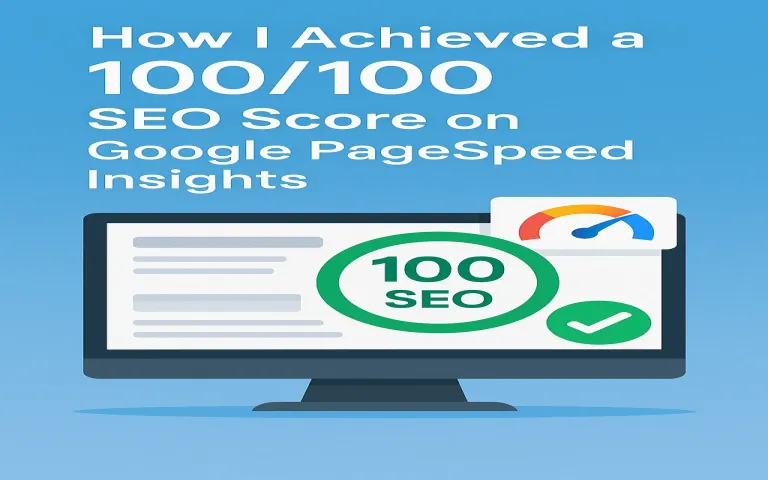
Achieving a perfect 100/100 SEO score on Google PageSpeed Insights is not just a badge of honor — it's a signal that your website is technically strong, fast, and optimized for search engines. In this article, I’ll walk you through the key techniques and tools I used to hit the perfect score.
Related article:- What Is SEO? A Complete Guide to Search Engine Optimization for Beginners
Why PageSpeed SEO Score Matters
- Google prioritizes fast, optimized websites in its search rankings.
- A perfect SEO score increases your chances of higher visibility and more organic traffic.
- It also improves the user experience, reducing bounce rates and increasing time on site.
My Website Performance Snapshot
- Performance: 97
- Accessibility: 93
- Best Practices: 100
- SEO: 100
Key Techniques I Used to Achieve a 100/100 SEO Score
1. Meta Tags and Structured Data
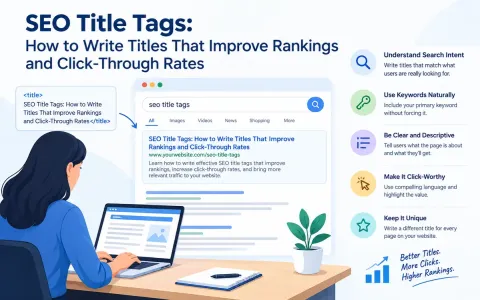
- Included proper title and meta description tags on all pages.
- Used schema markup for better indexing and rich snippets.
2. Mobile-First Design
- Created a responsive layout using CSS media queries.
- Ensured tap targets and font sizes were optimized for mobile users.
3. Optimized Images and Lazy Loading
- Used WebP image format to reduce file size without losing quality.
- Added alt tags to all images for better accessibility and SEO.
4. Clean and SEO-Friendly URLs
- Used short, keyword-rich slugs (e.g., /seo-score-guide instead of /post123).
- Avoided query parameters and dynamic URLs wherever possible.
5. Headings and Content Hierarchy
- Used proper heading tags (H1 to H5) to structure content.
- Ensured only one H1 tag per page and used H2–H4 for sections.
6. Internal Linking
- Linked related blog posts to improve page depth and engagement.
- Added a related posts section below each article.
7. Fast Load Time & Minified Code
- Minified CSS, JavaScript, and HTML files.
- Removed unused scripts and styles that slowed down the page.
8. No Broken Links
- Used tools like Screaming Frog and Ahrefs to fix broken internal or outbound links.
Free Tools I Used
- Google PageSpeed Insights: For real-time scoring and improvement tips.
- GTmetrix: To validate performance issues.
- RankMath SEO Plugin: For meta tags, sitemaps, and schema support.
- Ubersuggest: To analyze keyword usage and content quality.
Common SEO Errors to Avoid
- Missing title or meta description
- Unoptimized images without alt text
- Using multiple H1 tags on a single page
- Slow server response time
Conclusion
- Reaching a 100/100 SEO score is achievable if you follow best practices consistently.
- Focus on clean code, structured content, responsive design, and fast performance.
- Google rewards websites that are helpful, fast, and easy to use — exactly what you build when you aim for 100/100.